
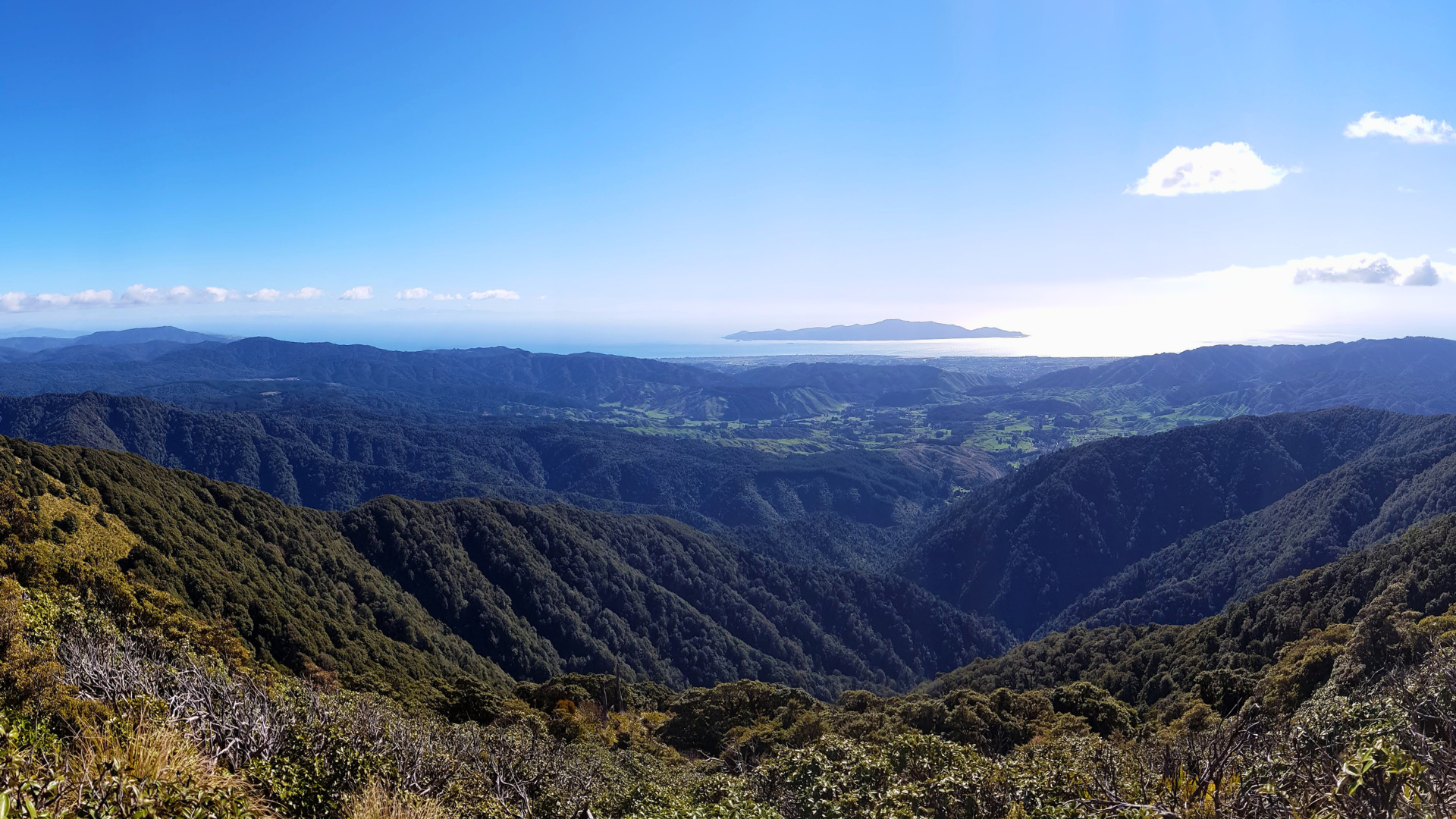
Gardening on the Kāpiti Coast comes with an enviable combination of sunshine, a relatively mild climate and an extraordinary natural environment. But anyone who has gardened here for long knows that Kāpiti has its challenges too. Sandy soils can dry rapidly, low-lying areas can remain wet, coastal winds can punish exposed planting, and conditions can change considerably within only a few kilometres.
The secret to creating a thriving Kāpiti garden isn't fighting these conditions. It's understanding them.
Start with what lies beneath
There isn't one single "Kāpiti soil".
The coastal plain has been shaped by dunes, wetlands and rivers. Much of it is characterised by sand and shallow peat, while areas around the Waikanae and Ōtaki rivers contain more alluvial gravels and silt loams.
This makes understanding your own property particularly important.
Many coastal properties have free-draining sandy soils. They're wonderfully easy to work, but can lose water and nutrients quickly during summer. These gardens benefit enormously from regular additions of organic matter. Compost improves the soil's ability to retain both moisture and nutrients, while a generous layer of organic mulch protects the surface from sun and drying winds.
In lower-lying interdune areas, the problem can be almost the opposite. Peaty and poorly drained soils can remain wet, particularly through winter. Here, choosing plants tolerant of seasonal moisture and avoiding unnecessary cultivation of saturated soil is often more successful than continually trying to change the site.
And don't assume a soil map tells the whole story. Residential development can leave individual gardens with imported topsoil, compacted subsoil or construction fill. Digging a few test holes and observing how the soil behaves can tell you a great deal.
Make the most of the Kāpiti sun
Kāpiti enjoys excellent solar exposure, with regional ecological information describing high sunshine and relatively dry summers.
That's fantastic for flowering plants, vegetables, fruit trees and lawns—but sunshine combined with sandy soil and wind can make summer moisture management one of the biggest challenges in the garden.
Rather than relying solely on frequent irrigation, build resilience into the garden.
Improve the soil with compost, keep bare ground covered with mulch, group plants with similar water requirements together and establish new plants carefully before their first summer. When irrigation is necessary, watering deeply and less frequently generally encourages deeper root systems than a light daily sprinkle.
Trees and larger shrubs can also create valuable microclimates. As a garden matures, their shade and shelter can dramatically reduce moisture loss beneath them.
Design for the wind
Wind is one of the defining features of gardening on the coast and the Wellington region in general.
Prevailing winds in the Kāpiti ecological zone are predominantly north to north-westerly, while less frequent easterly storms can also be physically damaging. Properties close to the sea have the additional challenge of salt exposure.
Before planting, spend some time observing where the wind travels through your property.
Rather than building a garden full of plants that need constant staking and protection, use tougher planting to gradually create shelter. Layering hardy trees, shrubs and lower vegetation can filter wind while creating calmer pockets for more delicate plants.
A permeable planted shelter is often preferable to trying to stop the wind completely with a solid barrier, which can create turbulence on the sheltered side. This could be a hedge or a shelter belt of hardy trees.
Over time, the garden begins creating its own microclimate.
Look to Kāpiti's native plants
One of the best places to find inspiration for a resilient garden is the landscape around you.
Kāpiti Coast District Council recommends using eco-sourced native plants—plants propagated from naturally occurring populations within the local ecological district. These plants have evolved under local conditions and help preserve the character and genetic diversity of Kāpiti's natural vegetation.
Species already being used successfully in restoration projects around the district include kānuka, mānuka, ngaio, akeake, māhoe, harakeke and tī kōuka. Larger restoration plantings also include species such as rimu, tōtara, miro, mataī and northern rātā where conditions are suitable.
Closer to the coast, dune vegetation requires an entirely different palette. Native species such as pīngao and spinifex play an important role in stabilising dunes, while established native dune vegetation provides habitat and helps protect the coastline from wind, erosion, storms and high tides.
This doesn't mean a Kāpiti garden needs to be exclusively native. Exotic fruit trees, roses, perennials and traditional garden plants can coexist beautifully with native planting.
The important thing is choosing the right plant for the right place.
Your garden can become part of Kāpiti's ecosystem
A suburban garden may feel separate from the wider landscape, but to wildlife it isn't.
Gardens can act as stepping stones between reserves, waterways, dunes and remaining pockets of native vegetation.
Planting a mixture of groundcovers, shrubs and trees creates different layers of habitat, providing food, shelter and nesting opportunities for birds, lizards, insects and other invertebrates.
Instead of relying heavily on bird feeders, consider planting species that naturally provide food throughout different seasons. Council guidance specifically recommends creating habitat and a year-round supply of natural food for native birds.
And leave a little complexity.
Dense planting, mulch, rocks, logs and small sheltered spaces might look insignificant to us, but can provide valuable habitat for lizards, wētā and insects. Limiting chemical use and controlling introduced predators further increases the value of these spaces.
For coastal properties, this responsibility becomes particularly important. Kāpiti's river and stream mouths provide important feeding and nesting habitat for shorebirds, including species that nest on or close to the ground.
Think in layers, not individual plants
Healthy natural ecosystems rarely consist of isolated plants surrounded by bare soil.
Neither should our gardens.
A resilient Kāpiti garden might have a canopy of established trees, smaller trees beneath them, shrubs filling the middle layer, grasses and perennials providing seasonal interest, and groundcovers protecting the soil.
These layers do several things simultaneously.
They shade the ground, reduce evaporation, intercept wind, provide wildlife habitat, suppress weeds, contribute organic matter and create the sense of abundance that makes a garden beautiful.
It is horticulture and ecology working together.
Garden for the seasons
Kāpiti's climate allows us to garden throughout much of the year, but that doesn't mean every job should be done at any time.
Autumn is an excellent opportunity for planting as soils remain warm while rainfall begins to increase. Winter provides opportunities for structural pruning and planting many deciduous trees. Spring is a period of rapid growth, feeding and preparation. Summer becomes a time for careful watering, harvesting, deadheading and maintaining soil moisture.
Working with these cycles reduces unnecessary intervention.
A garden doesn't need to look identical twelve months of the year. Flowers appear and disappear. Leaves fall. Seed heads develop. Trees mature.
Those changes aren't imperfections.
They're the garden doing exactly what it's supposed to do.
Growing better gardens on the Kāpiti Coast
The best Kāpiti gardens don't need to imitate somewhere else.
They can belong here.
They respond to the sand beneath our feet, the wind coming off the Tasman Sea, the intensity of the summer sun and the remarkable native ecosystems surrounding our towns.
By building healthier soil, choosing plants suited to the site, conserving water, creating habitat and allowing gardens to change with the seasons, we can create landscapes that are both beautiful and ecologically valuable.
At Good Ground Horticulture, that's how we believe gardens should be cared for: not as isolated outdoor spaces, but as living systems connected to the wider landscape.
Better soil. More life. Beautiful gardens.
Growing a better future, from the ground up.
